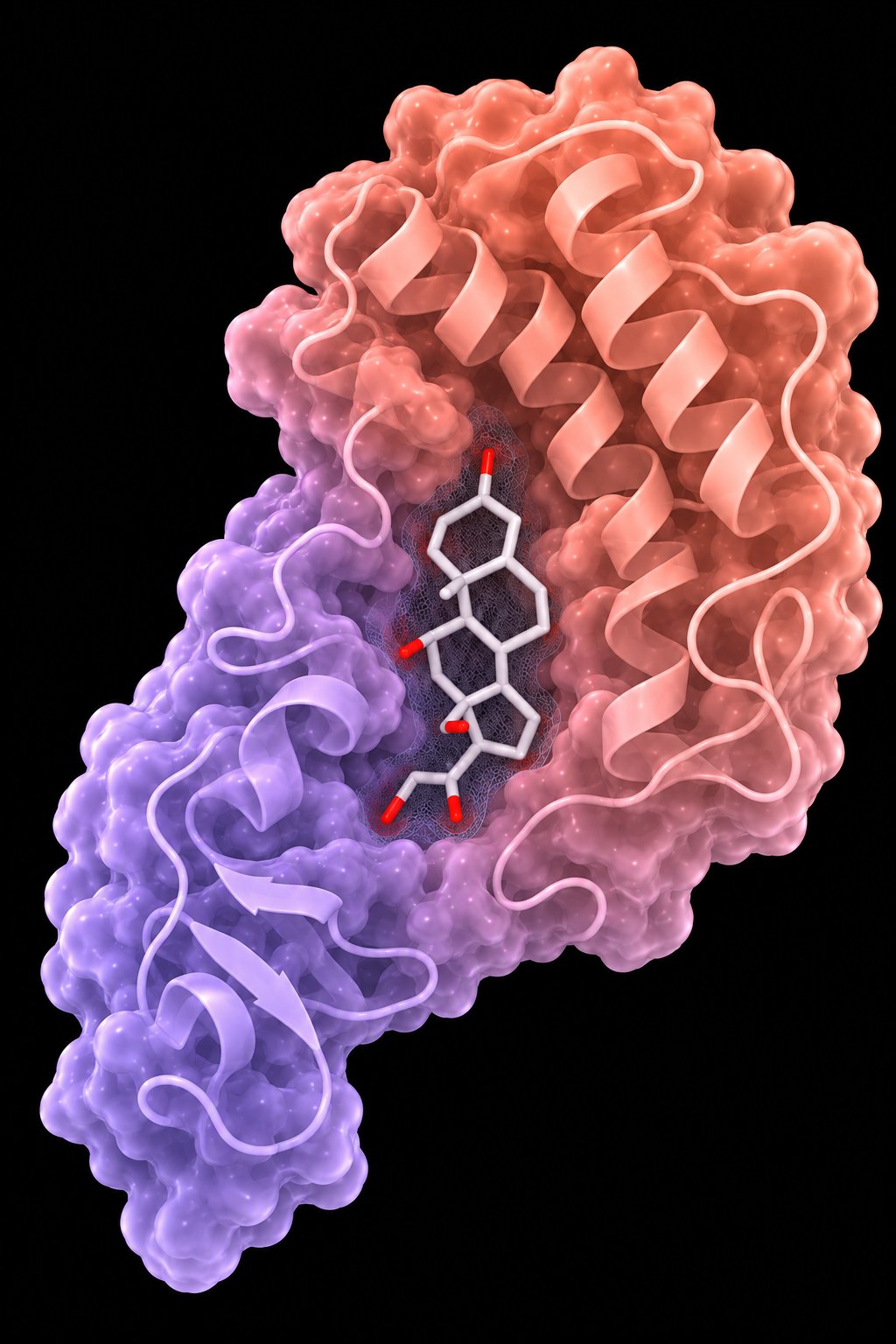
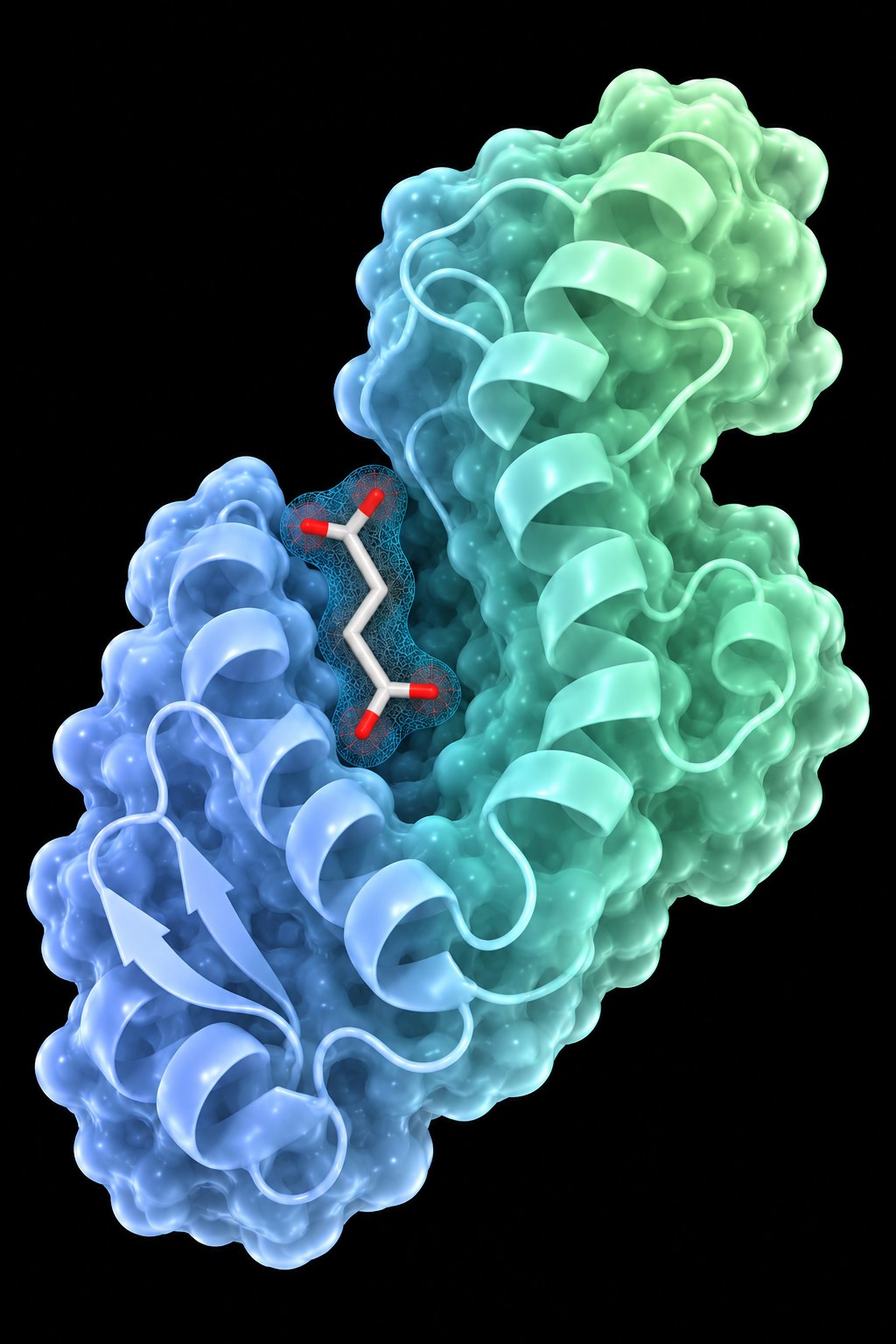
Undruggable? Or just unscreenable?
Good targets get deprioritized every day — not because the biology is wrong, but because nothing can screen them at throughput. The fallback is mass spec, chosen for lack of an alternative.
We build direct biological sensors for the metabolites and enzyme products conventional assays can't measure.
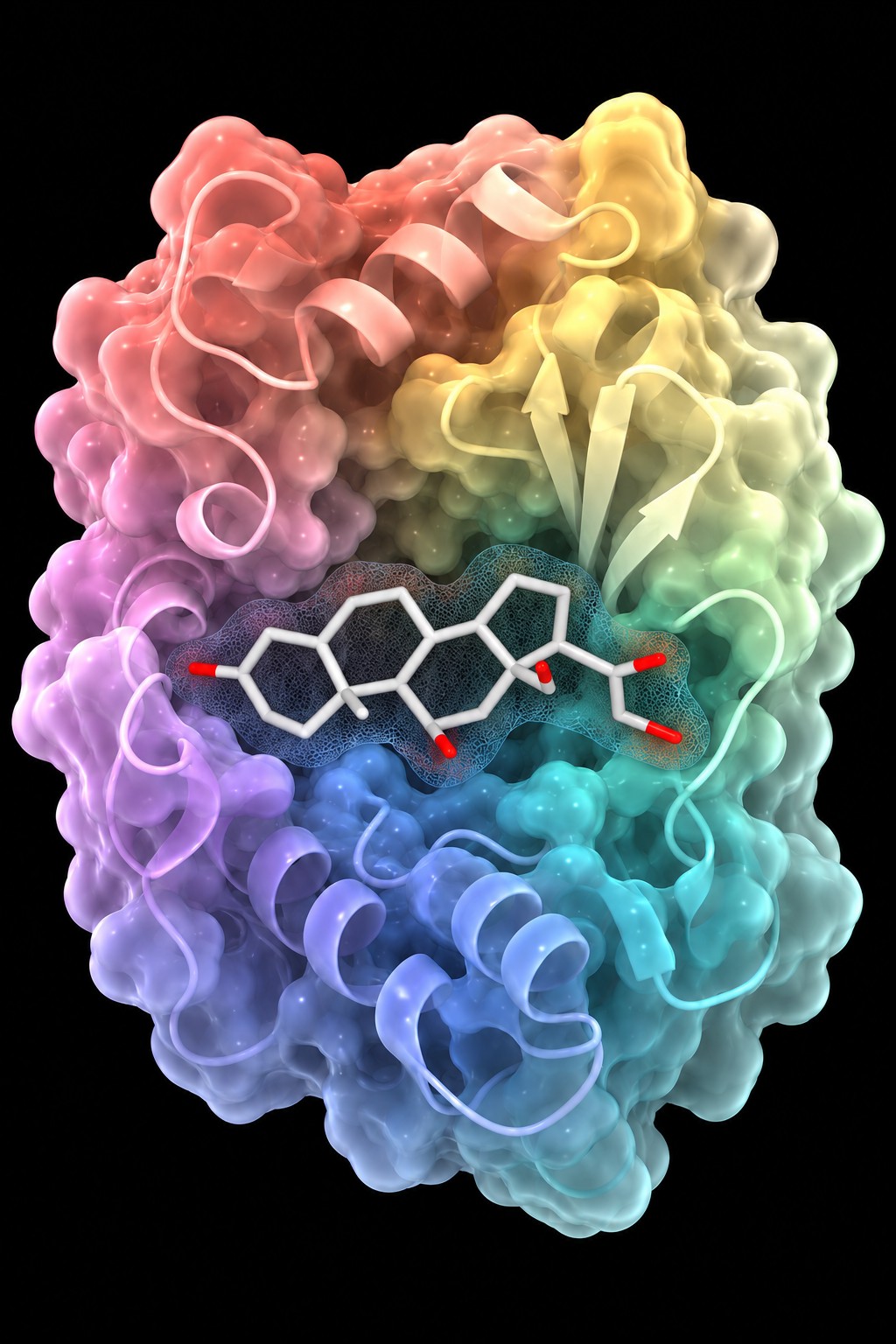
Both fallbacks work. Both cost you something.
There are two ways to work around a missing assay. LC-MS is specific and sensitive, but throughput is bounded by instrument time. An enzyme-coupled assay runs at plate scale, but reports a downstream product — so each added enzyme is one more thing a compound can act on.
In development
Three kits in active development. Contact us for availability and early access.
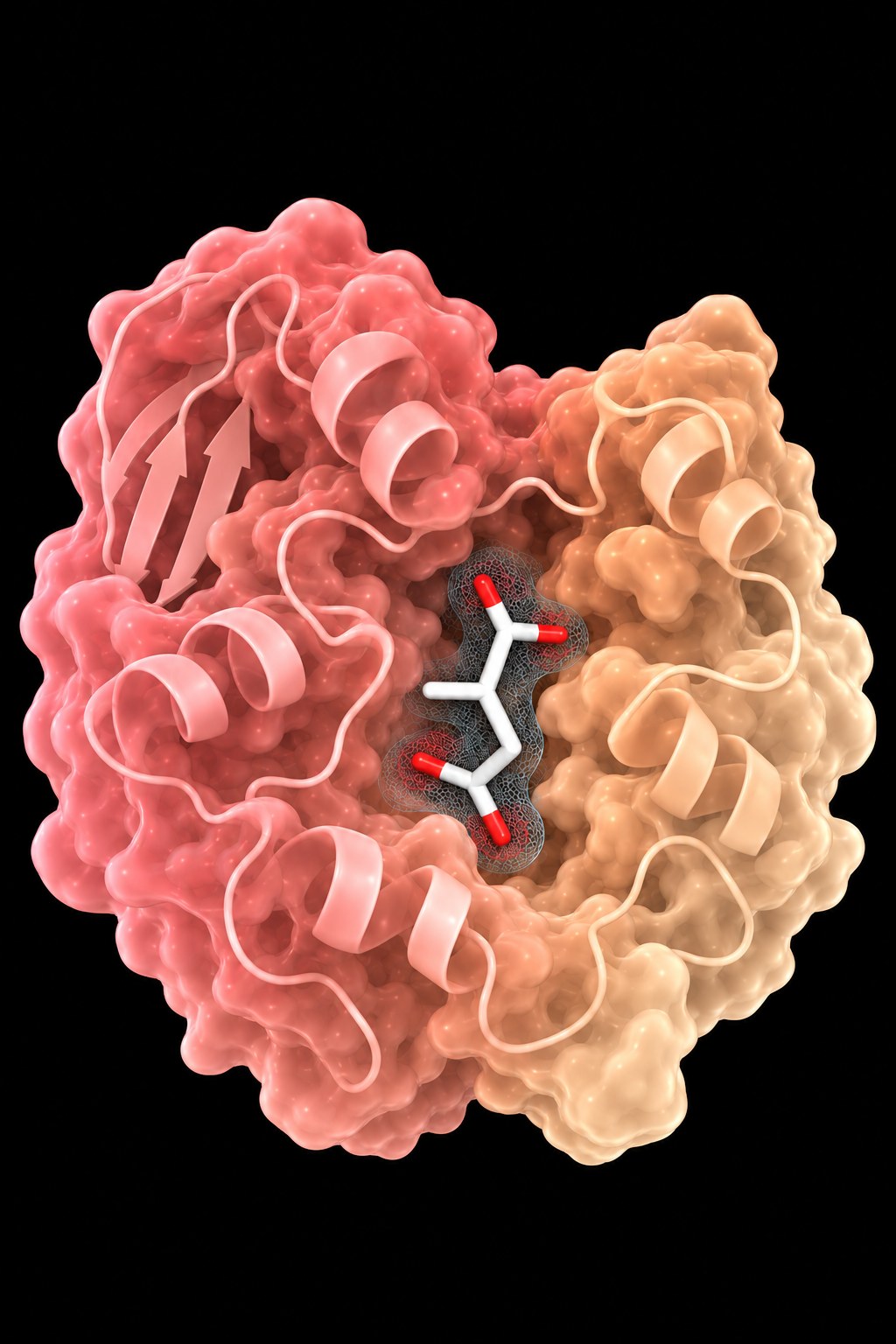
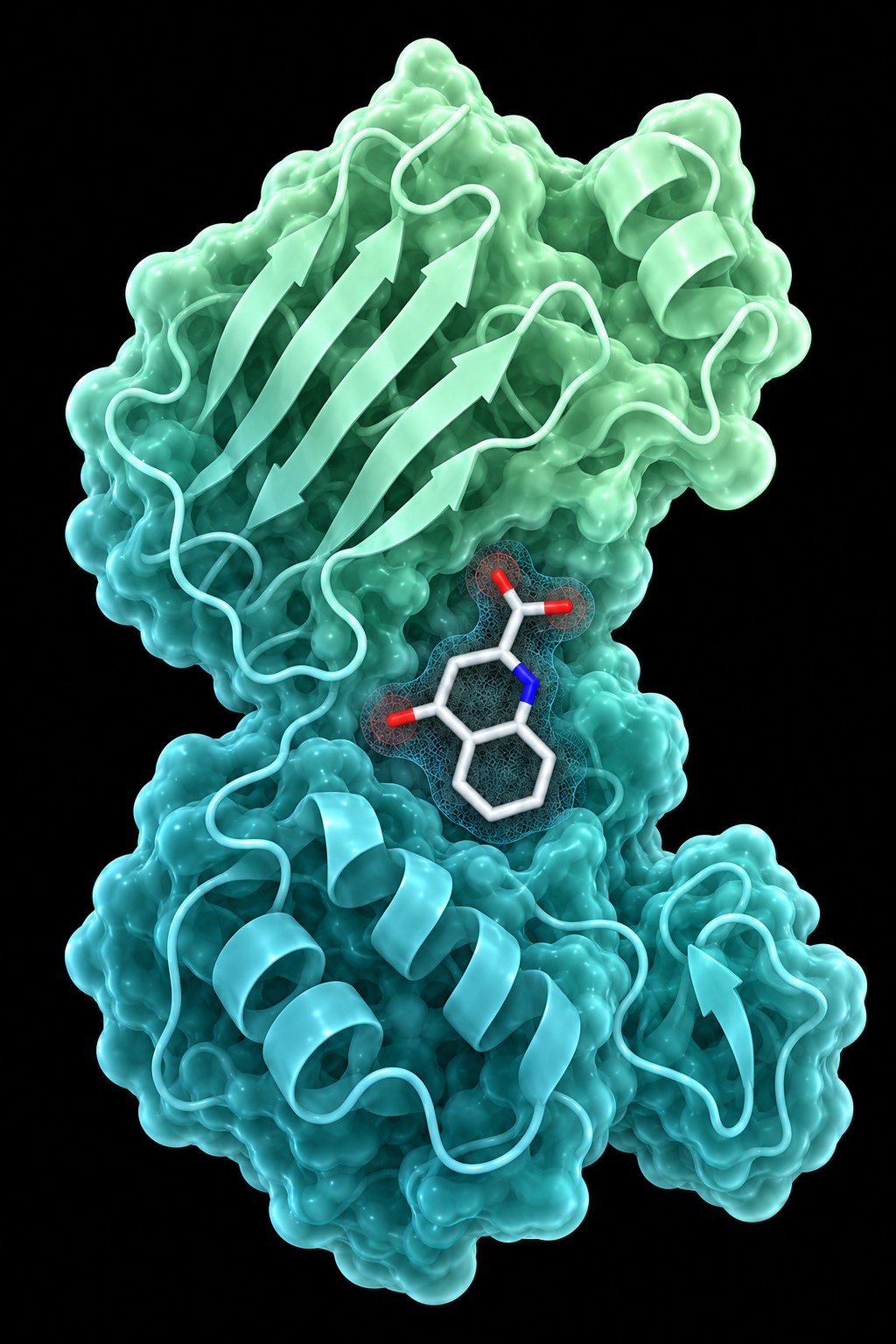
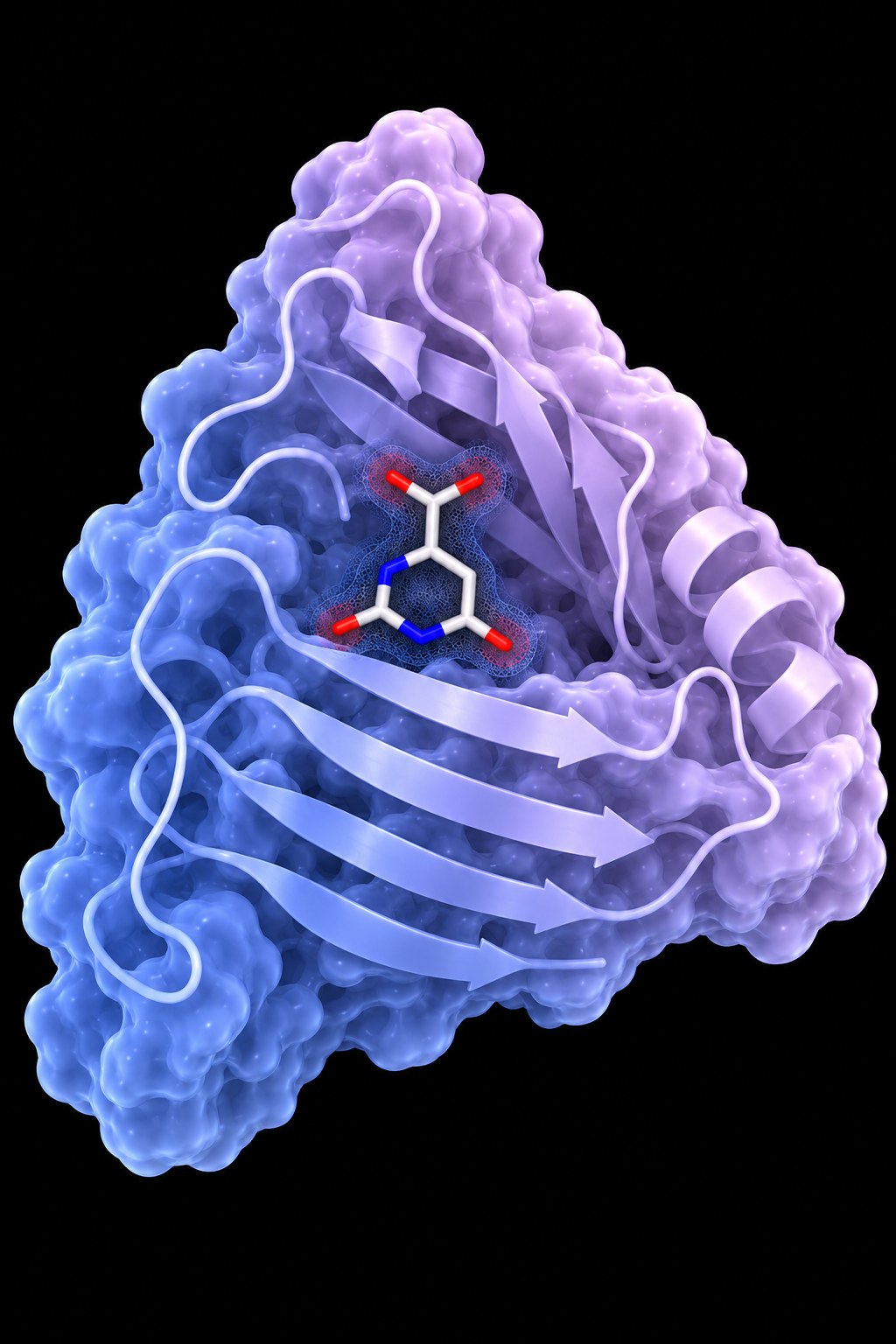
Millions of assay variants, optimised in parallel.
We developed proprietary methods for constructing FRET-based sensors against targets that have no assay at all — then screen millions of variations simultaneously and use deep learning on those datasets to guide the next round of optimisation.
How the technology works →Diffusion models run on proprietary sequence datasets to generate starting sensor candidates.
Given a molecular input, the model samples diverse candidates and denoises toward high-probability sequences.
Candidates go through high-throughput engineering to tune expression, dynamic range, sensitivity and specificity.
Enter your compound of interest. Watch a sensor converge.
Our interactive demo runs a simulated diffusion trajectory for a ligand of your choice — the same three-stage pipeline we use to design real sensors. Illustrative only: it does not produce functional sensor sequences.
Open the demo →