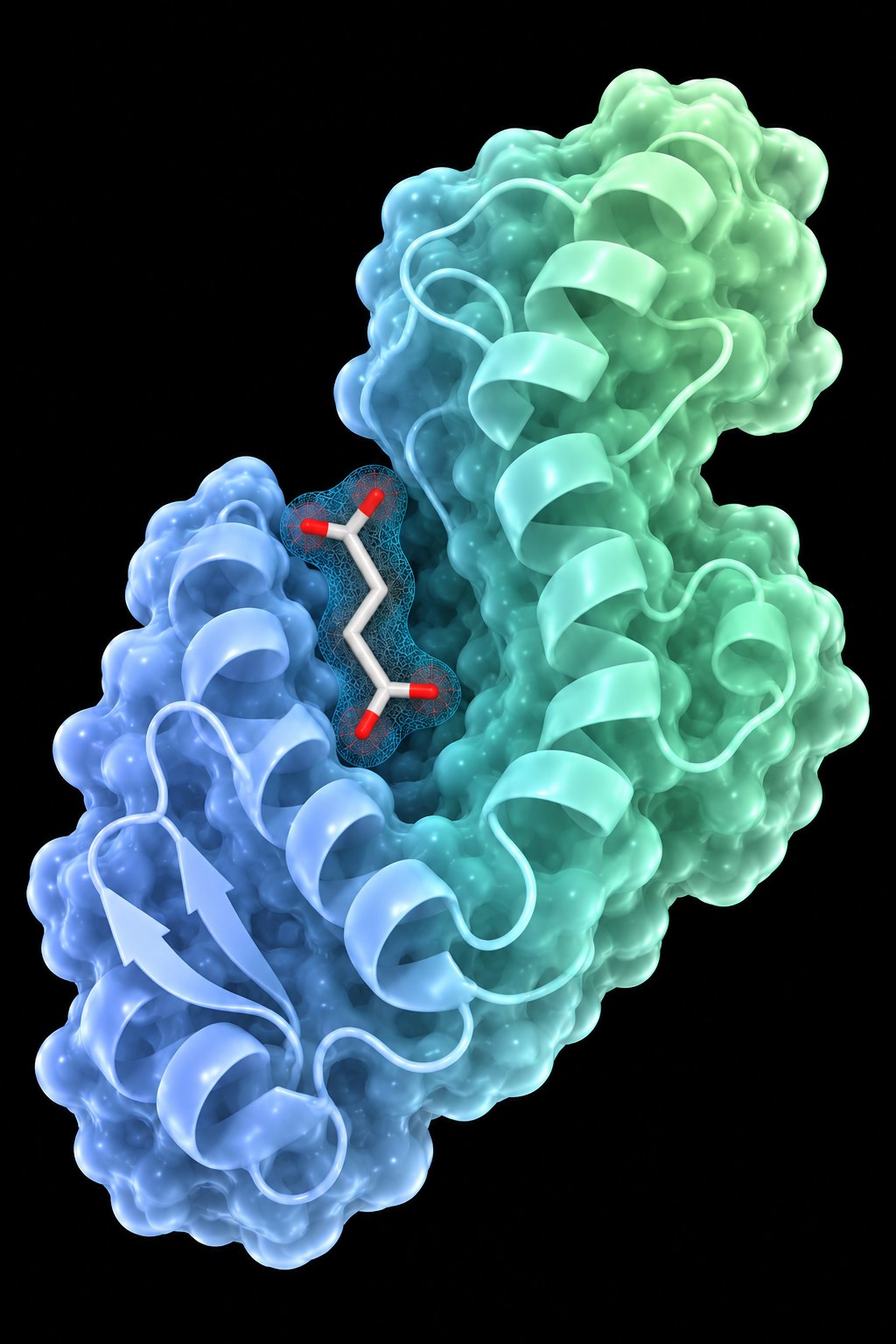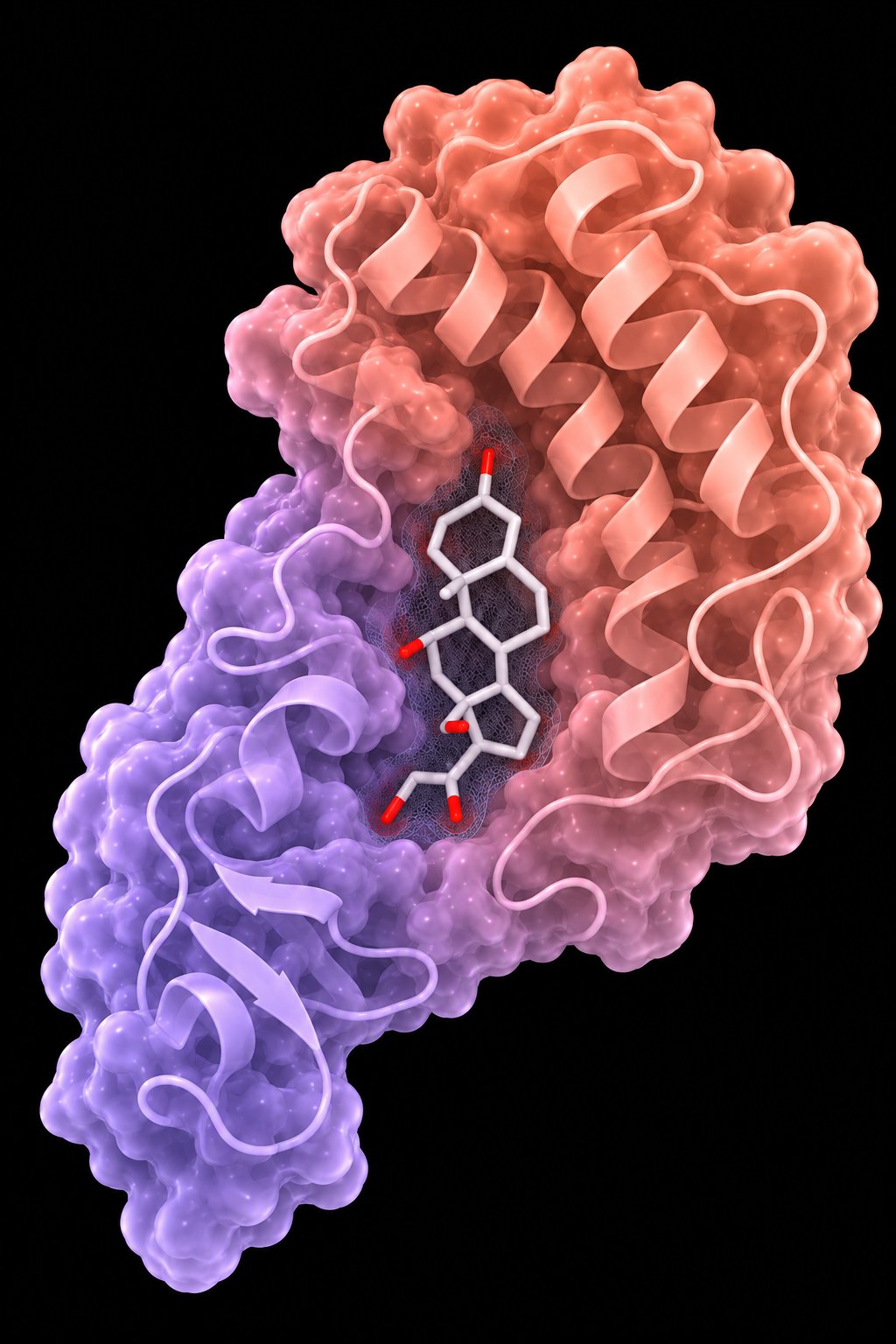
We build the assay nobody else will build.
Percepta Bioscience builds screening assays for drug targets that don't have them. We started from a specific frustration: watching good targets get shelved because the measurement was impossible, not because the biology was wrong.
Screenability is a scientific decision made by default.
Target selection should be driven by biology. In practice it is shaped by what can be measured at scale — so the field's target list is partly an artefact of instrumentation rather than disease relevance.
We build direct biological sensors so that the assay stops being the reason a target gets dropped.
Three commitments that shape every assay we build.
False positives should never reach your data
Every coupling enzyme between your target and the signal is a surface compounds can hit. We bind the molecule itself, so that class of artefact never enters the dataset — you triage real chemistry instead of the assay.
A rate tells you more than an endpoint
A destructive endpoint read says where the reaction stopped. Our sensors bind reversibly and report continuously, so you get initial rates and mechanism from the same well.
An assay has to survive your samples
Working in buffer is the easy part. We develop against the matrix a kit will actually see — lysate, media, plasma — because an assay that only holds up in clean conditions moves the problem rather than solving it.
Pharmaceutical and academic groups
Some come to us for a kit in development. Others bring a target that has stalled because the measurement was impossible. Both conversations start the same way — tell us what you need to measure.
Start a conversation →